
Wedding cocktail music
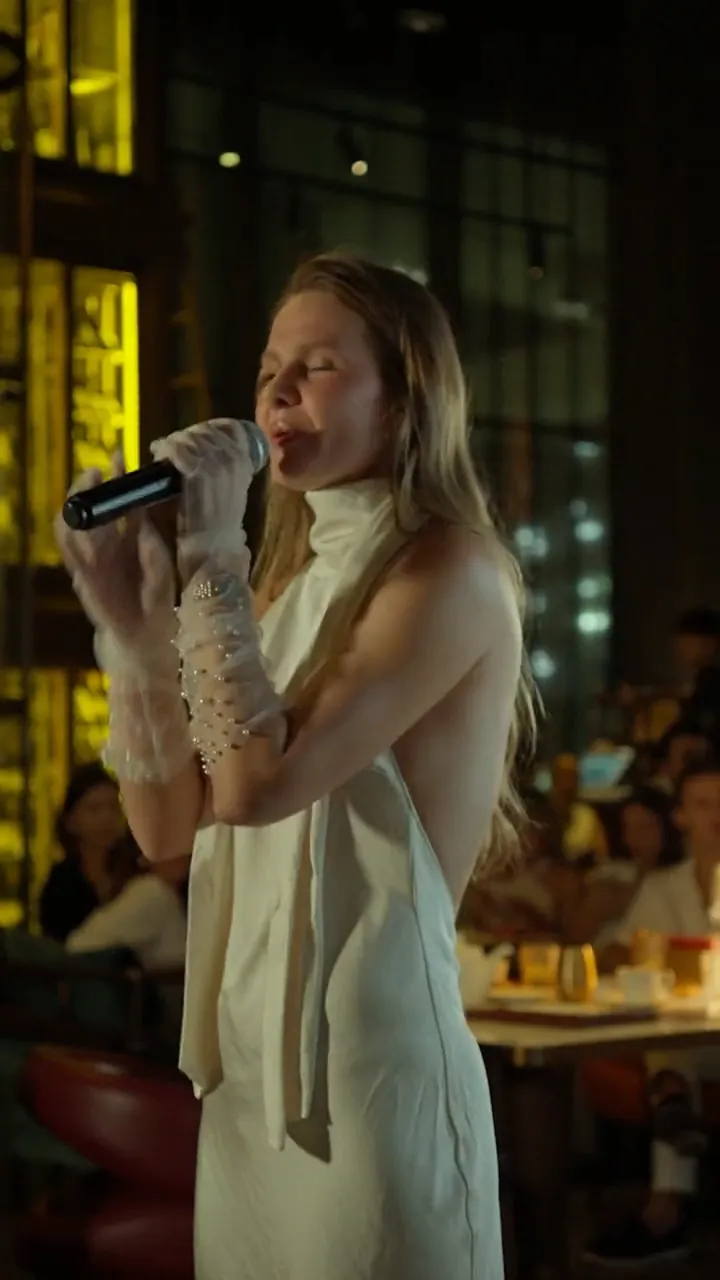
Booking a bilingual singer for a Dubai wedding cocktail hour
Cocktail-hour music connects the ceremony to dinner while guests greet one another, take photographs and find the next space. A bilingual programme can welcome both families without turning the hour into two separate events.
Quick answer
Share the family languages, ceremony finish, photography plan, cocktail layout and dinner call. Choose a compact set that begins gently, blends English and Russian songs by mood, and keeps announcements limited. Confirm the couple's essential song, exclusions, weather alternative, sound coverage and the coordinator who controls any timing change.
1. Brief the two families, not two playlists
Share which languages guests understand, who needs to feel especially welcomed and whether any spoken greeting is expected. Use the guest profile as programming information rather than as a stereotype. Age range, languages, reason for gathering, familiarity with one another and expected level of formality are more useful than nationality alone.
Flag pronunciation, names, traditions and sensitive lyrics early, but let musical flow connect the room naturally. For a bilingual room, agree the language of greetings and the balance of songs, then sequence both languages by energy and meaning. The result should feel like one evening designed for one audience, not two unrelated playlists placed side by side.
- Family language profile
- Approved names and pronunciations
- Songs or themes to avoid
2. Build a bridge from ceremony to dinner
Open softly while guests arrive, add recognisable songs once conversations settle and prepare a clean final number for the dinner call. Design the music in blocks with a clear purpose, such as arrival, dining, a featured moment and a later lift in energy. Song order should respond to guest attention and event cues, not merely follow a long list of favourites.
Treat the couple's meaningful request as a specific arrangement question and place it where they will actually be present to hear it. Mark essential songs, optional requests and exclusions separately. Confirm who can approve substitutions on the day, because timing changes may require a shorter ending or a different transition while preserving the intended mood.
- Gentle post-ceremony opening
- Mixed-language familiar middle
- Clear ending before dinner
3. Coordinate photography and guest movement
Ask when the couple will take portraits, join cocktails, greet relatives and move to dinner so key songs do not play to an absent couple. Place each set against real venue operations: doors, check-in, table service, clearing, speeches, photography and guest movement. Music that is attractive in isolation can still fail if its loudest moment competes with an order, announcement or important conversation.
Place equipment away from bars, doors and the route between ceremony and reception, with one coordinator handling changes. Agree simple hand signals and a named floor contact. The performer should know whether to finish the current song, fade after a chorus or hold the next number when service or the programme shifts by several minutes.
- Couple movement timeline
- Protected performance footprint
- Coordinator cue for final song
4. Prepare the cocktail space properly
For a garden, terrace or beach setting, confirm shade, wind protection, power, safe flooring and an indoor alternative before approving the final line-up. Outdoor planning must address heat, humidity, wind, moisture, sun exposure, stable power and a protected performance position. Decorative cover is not necessarily weather protection, so the production lead should define safe operating limits for people and equipment.
Test coverage for standing groups without aiming excessive level at the nearest guests or competing with the bar. Keep a usable indoor or sheltered alternative and define the decision time for moving. The plan should also cover weighted stands, protected connections, drinking water, instrument acclimatisation and what happens if a delayed start affects the agreed performance window.
- Weather decision deadline
- Safe power and weighted stands
- Coverage for standing conversation
Common questions
How should English and Russian songs be balanced at a wedding cocktail hour?
Use the actual guest mix and the couple's preferences, then sequence songs by warmth, tempo and meaning rather than alternating languages mechanically. Familiar international material can bridge the room. Spoken introductions should be brief and only as bilingual as the moment genuinely requires.
What information should an enquiry about a bilingual wedding cocktail singer in Dubai include?
Send the date, venue or venue type, guest profile, programme timing, intended role of the music, preferred line-up and known production. Add the decision deadline and name the person who can answer operational questions. This gives the performer enough context to confirm availability and identify any assumptions.
Who should confirm venue, permit and technical requirements for a bilingual wedding cocktail singer in Dubai?
The venue and appointed organiser should confirm current permissions and house rules, while the responsible production supplier verifies the sound and stage specification. The performer supplies an accurate rider and working requirements, but should not be treated as the permitting authority or the event's technical contractor unless that scope is explicitly agreed.
Sources and review date
- Dubai Department of Economy and Tourism. Apply for an event permit
- Shure. Microphone Techniques for Live Sound Reinforcement
Source review: . This article provides general planning guidance. The venue, appointed organiser, production supplier and relevant authority should confirm current rules and requirements for the specific event.
Marina Malina Music
Planning a bilingual wedding cocktail hour?
Share the venue, family languages, schedule and meaningful songs to shape a warm English and Russian live set.