
Russian-speaking celebrations
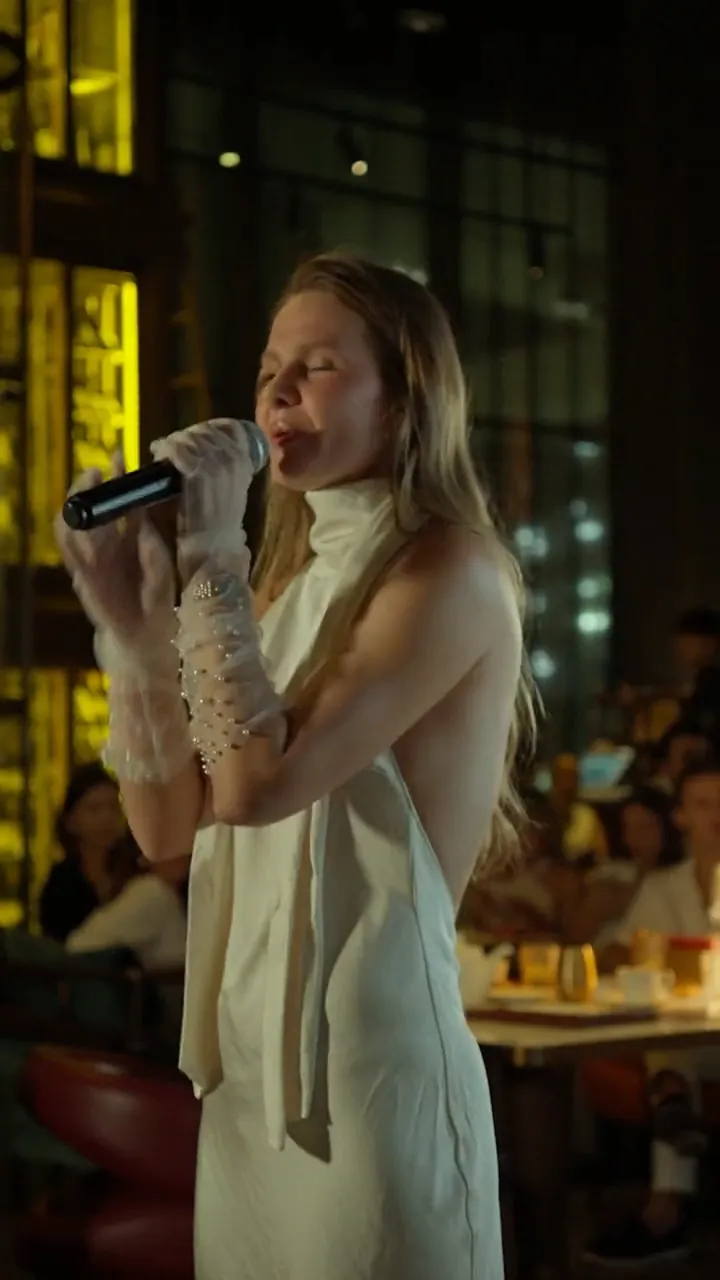
Hiring a Russian-speaking singer for a private event in Dubai
Language can make a private celebration feel personal, but a strong programme reflects the actual guests rather than relying on clichés. Russian speech and songs can sit naturally beside international repertoire.
Quick answer
Describe the occasion, age mix, languages, family dynamics and level of formality. Decide whether Russian is needed for songs, greetings, dedications or all three, then blend it with appropriate international material. Give names and pronunciations in writing, route surprise requests through one host, and confirm sound, schedule, access and permissions with the venue.
1. Describe the real guest mix
Give approximate language comfort, age range, relationship to the host and whether guests know one another before the event. Use the guest profile as programming information rather than as a stereotype. Age range, languages, reason for gathering, familiarity with one another and expected level of formality are more useful than nationality alone.
Identify who should understand spoken links and who would appreciate a particular song without assuming every Russian speaker shares the same taste. For a bilingual room, agree the language of greetings and the balance of songs, then sequence both languages by energy and meaning. The result should feel like one evening designed for one audience, not two unrelated playlists placed side by side.
- Primary and secondary languages
- Generational mix and formality
- Personal musical references
2. Blend Russian and international material
Group songs by welcome, conversation, celebration and later energy, then select the language that best serves each moment. Design the music in blocks with a clear purpose, such as arrival, dining, a featured moment and a later lift in energy. Song order should respond to guest attention and event cues, not merely follow a long list of favourites.
Ask about family favourites, but check lyrics, arrangement feasibility and the performer's preparation time before promising a dedication. Mark essential songs, optional requests and exclusions separately. Confirm who can approve substitutions on the day, because timing changes may require a shorter ending or a different transition while preserving the intended mood.
- Warm bilingual welcome
- Meaningful Russian selections
- International songs for shared energy
3. Control greetings, names and surprises
Provide names in both written and phonetic form, plus the relationship and tone appropriate to each public mention. Turn the conversation into an operating brief that names the audience, room, purpose of the music, programme position and decision owner. Separate confirmed facts from preferences so that the performer can recommend a realistic format instead of guessing from a mood board.
Route surprise songs, speeches and gifts through one trusted host so privacy, timing and the recipient's comfort are considered. Record every open point with an owner and a deadline. A short written recap after the call prevents assumptions about access, dress, announcements, repertoire and equipment from travelling into the event day.
- Approved greeting wording
- Phonetic name list
- Single contact for surprises
4. Define performer and host boundaries
State whether the booking covers singing only, brief musical introductions or a wider hosting role, because those are different services. Ask for a proposal that names the performer, line-up, set structure, inclusions, exclusions, technical assumptions and coordination scope. Compare the whole offer, because performance time alone does not show who supplies equipment or carries the operational work.
Confirm private-home or venue access, guest requests, recording expectations, finish time and the organiser responsible for current permissions. Read payment, cancellation, rescheduling, overtime and change terms before confirmation. Put later amendments in writing, identify the authorised contacts and keep the final agreement accessible to the on-site coordinator.
- Exact performance and speaking scope
- Recording and social-media consent
- Venue contact and finish time
Common questions
Does a Russian-speaking event need an all-Russian repertoire?
No. The most useful balance comes from the guests and the host's intention. Russian songs may carry personal meaning, while familiar English or international material connects a mixed room. Sequence by emotion and energy, and identify any culturally specific request that needs preparation rather than assuming a standard list.
What information should an enquiry about a Russian-speaking singer for a Dubai private event include?
Send the date, venue or venue type, guest profile, programme timing, intended role of the music, preferred line-up and known production. Add the decision deadline and name the person who can answer operational questions. This gives the performer enough context to confirm availability and identify any assumptions.
Who should confirm venue, permit and technical requirements for a Russian-speaking singer for a Dubai private event?
The venue and appointed organiser should confirm current permissions and house rules, while the responsible production supplier verifies the sound and stage specification. The performer supplies an accurate rider and working requirements, but should not be treated as the permitting authority or the event's technical contractor unless that scope is explicitly agreed.
Sources and review date
- Dubai Department of Economy and Tourism. Apply for an event permit
- Visit Dubai. Dubai festivals and events
Source review: . This article provides general planning guidance. The venue, appointed organiser, production supplier and relevant authority should confirm current rules and requirements for the specific event.
Marina Malina Music
Planning a Russian-speaking celebration in Dubai?
Share the occasion, guest languages, venue and meaningful requests to shape a personal bilingual live programme.